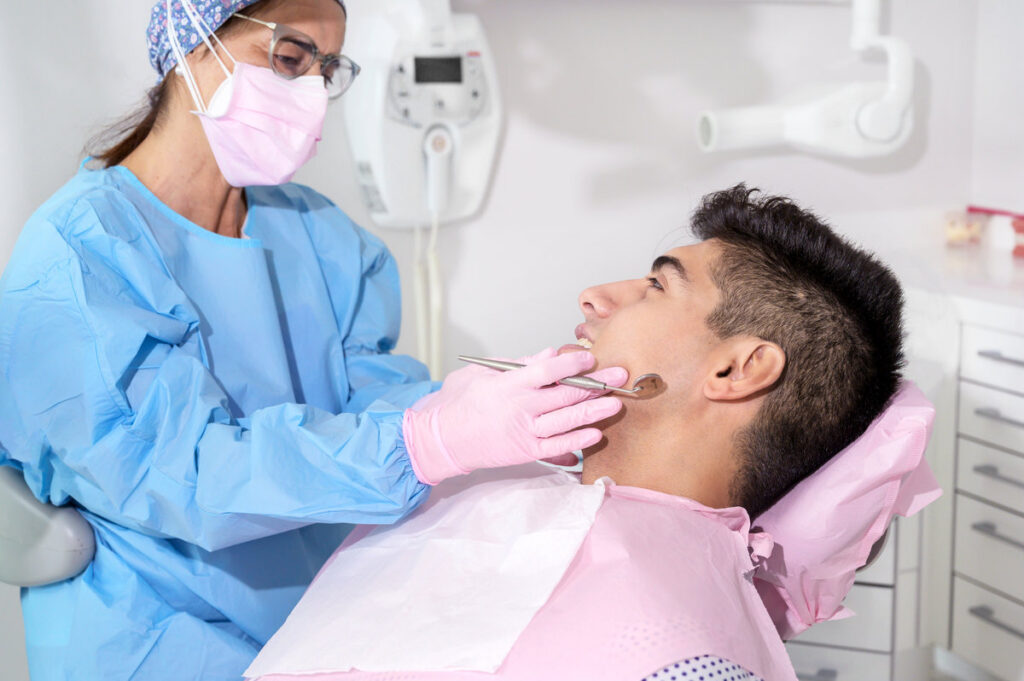
If you have an oral surgery date on the calendar, a little worry beforehand is completely normal. Knowing what your body will actually go through in the days that follow can turn that uncertainty into confidence, and it can also help you plan your week so healing goes smoothly. From the moment you leave our office, the choices you make around rest, food, and hygiene will shape how quickly and comfortably you get back to normal.
We take pride in walking every patient through this process before the procedure even begins, not just handing over a sheet of instructions on the way out the door. Understanding the timeline ahead of time means you are never caught off guard by normal swelling, tenderness, or a change in your eating habits for a few days. Below, we cover what recovery generally looks like, how to care for the surgical site, and when it is time to call us.
The First 24 Hours
The initial day after oral surgery is about protecting the blood clot that forms at the surgical site, since this clot is what allows healing to begin. Bite down gently on the gauze we provide for the first hour or so, replacing it if it becomes soaked. You should avoid rinsing, spitting forcefully, or using a straw during this window, as suction in the mouth can dislodge the clot and lead to a painful complication called dry socket.
Swelling typically peaks within the first two days, so applying an ice pack in 20 minute intervals during the first 24 hours can make a noticeable difference in your comfort. Keep your head elevated, even while sleeping, since this helps reduce blood flow to the area and limits swelling. If you received sedation for your procedure, plan to have someone drive you home and stay with you, since the effects can linger for several hours after you leave.
Eating and Drinking During Recovery
Sticking to soft foods for the first few days protects the surgical site while still giving your body the nutrition it needs to heal. Smoothies, mashed potatoes, yogurt, and scrambled eggs are all good choices, and you can gradually reintroduce firmer foods as your comfort allows. Staying hydrated matters just as much as what you eat, though carbonated drinks and alcohol should be avoided until we give you the go ahead.
A few habits can slow healing or increase your risk of complications, so keep these in mind during the first week.
- Avoid using a straw, since the suction can dislodge the healing clot
- Skip spicy, crunchy, or hard foods that could irritate the surgical site
- Hold off on smoking or vaping, which restricts blood flow to healing tissue
These guidelines apply whether you had a simple extraction or something more involved, like wisdom tooth removal. A postoperative care guide from the University of Washington Medical Center notes that following your surgeon’s specific hygiene and dietary instructions is one of the most reliable ways to support healing after an oral or maxillofacial procedure.
Managing Pain and Swelling
Some discomfort is expected for the first few days, and most patients manage it well with over the counter pain relievers or a prescription we provide based on your procedure. Take medication as directed rather than waiting for pain to build, since staying ahead of discomfort tends to work better than trying to catch up. Swelling and mild bruising can last up to a week, though this is a normal part of the healing process and not a sign that anything is wrong.
For patients who feel anxious about surgery itself, we offer sedation dentistry options that keep you relaxed and comfortable throughout the appointment, which can also make the initial recovery period feel less jarring. We spend time talking through your specific procedure beforehand so you know what sensations to expect and which ones warrant a call to our office.
When to Call Your Dentist
Most recoveries progress steadily, but certain signs mean it is time to reach out rather than wait it out. Persistent or worsening pain after the third or fourth day, a fever, or bleeding that does not slow down with gauze pressure are all reasons to call us right away. The same goes for a bad taste or odor that does not improve with gentle rinsing, since this can point to an infection that needs attention.
Patients recovering from more involved procedures, including those receiving dental implants, should also watch for unusual swelling that develops well after the initial healing window rather than improving over time. Trust your instincts here. You know your body, and a quick call to our team is always easier than letting a concern linger.
Recover With Confidence at DG Dental
Oral surgery recovery does not have to be a source of stress when you know what to expect and have a team ready to support you along the way. Dr. Dory Green, DMD, FAGD, brings extensive surgical training to every procedure performed at our practice, and we build time into every visit to walk you through your specific aftercare plan in detail. Whether you are preparing for a straightforward extraction or something more involved, we tailor our guidance to your exact situation so you feel prepared rather than anxious.
From ice pack timing to food recommendations, our team is here to answer questions during every stage of your recovery, not just on the day of your procedure. If you have questions about an upcoming procedure or need guidance managing your recovery, reach out through our contact form and we will help you feel confident every step of the way.