
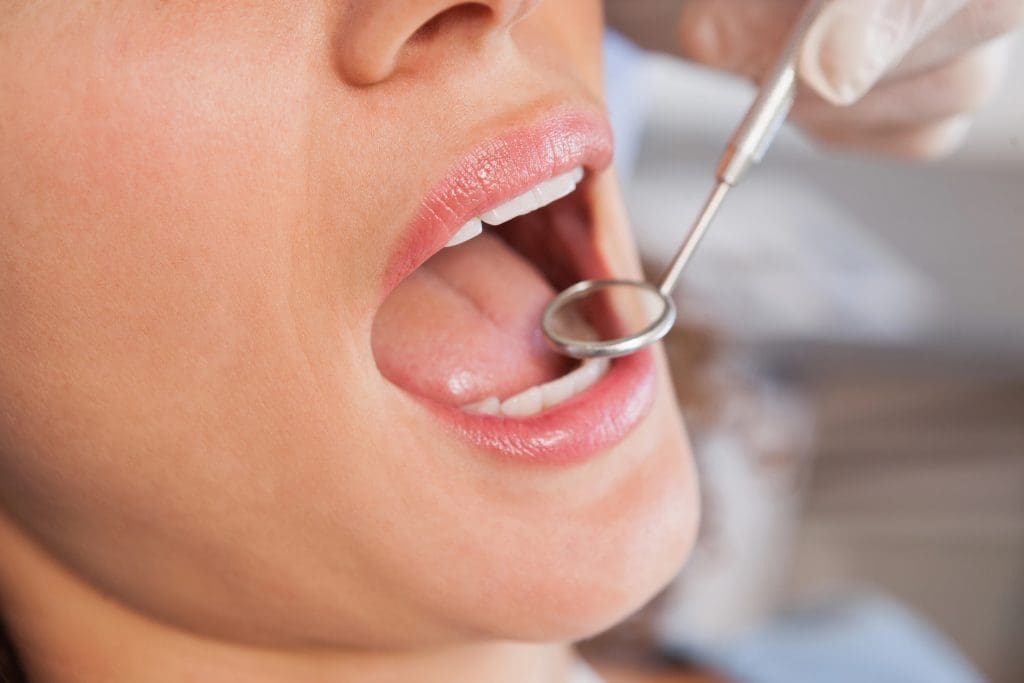

Wisdom teeth are the last molars to come in, usually in the late teens or early twenties, and they often arrive without enough room to fit properly. When that happens, they can crowd nearby teeth, become trapped below the gum, or lead to pain and infection. Removing them before problems develop is one of the most common procedures in dentistry, and at DG Dental it is part of our full range of dental services. Whether your wisdom teeth are already causing discomfort or a recent exam showed they are heading for trouble, we will walk you through your options clearly and keep you comfortable every step of the way.
When Wisdom Teeth Need to Come Out
Not every set of wisdom teeth causes problems, but many do. The most common reasons for removal include the following.
- Impaction, where the tooth is trapped beneath the gum or bone and cannot emerge normally.
- Crowding or pressure against neighboring teeth, which can shift alignment over time.
- Partial eruption that creates a flap of gum tissue where bacteria collect, leading to infection or decay.
- Cysts or other changes in the tissue surrounding an unerupted tooth.
- Recurring pain, swelling, or stiffness in the jaw near the back of the mouth.
If you notice any of these signs, it is worth scheduling an evaluation. In many cases, removing wisdom teeth before symptoms become severe leads to a simpler procedure and a faster recovery. The American Dental Association offers a helpful overview of tooth extractions if you would like to learn more.
What to Expect During the Procedure
Your visit begins with digital x-rays so we can see exactly where your wisdom teeth sit in relation to the surrounding bone and nerves. From there, we explain the plan and answer your questions before anything begins. The extraction itself is performed under local anesthesia so the area is completely numb, and sedation options are available for patients who feel anxious or who need multiple teeth removed at once. Dr. Green gently accesses the tooth, removes any bone that blocks it, and sections the tooth when needed to keep the process as conservative as possible. Once the tooth is out, the site is cleaned and may be sutured to support healing. For complex impacted cases that fall outside the range of what we treat, we will coordinate a referral to a trusted oral surgeon so you always receive the most appropriate care.
Recovery and Aftercare
Most patients feel the most soreness during the first two to three days, with steady improvement through the rest of the week. A blood clot forms at the extraction site to protect the bone underneath, and keeping it undisturbed is the single most important part of your recovery. That means avoiding straws, vigorous rinsing, and smoking for the first several days. Ice packs during the first 48 hours help manage swelling, and any prescribed medication keeps discomfort under control.
For the first few days, stick to soft foods such as yogurt, soup, mashed potatoes, and smoothies, and avoid anything hard, crunchy, or sticky that could disturb the site. Beginning about 24 hours after the procedure, gentle rinsing with warm salt water helps keep the area clean. Most people return to their normal eating and brushing routine within one to two weeks, though the deeper tissues continue healing for several months.
Preventing Dry Socket and Other Complications
Dry socket occurs when the blood clot at the extraction site is lost or fails to form, exposing the underlying bone and causing significant discomfort. Following your aftercare instructions, especially avoiding suction in the mouth and not smoking, is the best way to prevent it. If you notice severe pain that worsens after the first few days, bleeding that does not slow, or signs of infection such as fever or increasing swelling, contact us right away so we can address it quickly.
Cost and Insurance for Wisdom Tooth Extraction
The cost of wisdom tooth removal depends on how many teeth are involved and whether any are impacted. Many dental plans cover part of the procedure, and we are happy to review your benefits with you before you begin. We also offer flexible financing and insurance options to help with any remaining balance. If a tooth needs to be replaced after extraction, we can discuss options such as dental implants or other restorative dentistry once the site has healed.
Frequently Asked Questions About Wisdom Tooth Extraction
Does Wisdom Tooth Removal Hurt?
The area is completely numbed with local anesthesia before anything begins, so you should not feel pain during the procedure. Some pressure is normal. Afterward, mild to moderate soreness is typical for a few days and is manageable with prescribed or over-the-counter pain relief.
How Long Is the Recovery After Wisdom Tooth Extraction?
Most people feel noticeably better within three to five days and return to their regular routine within about a week. The deeper tissues take longer to heal fully, but day-to-day discomfort usually resolves quickly.
What Is Dry Socket and How Do I Avoid It?
Dry socket happens when the protective blood clot at the extraction site is dislodged or does not form. You can lower the risk by avoiding straws, vigorous rinsing, and smoking for the first several days after your procedure.
Do All Wisdom Teeth Need to Be Removed?
Not necessarily. If your wisdom teeth have enough room to come in straight and you can keep them clean, they may not need to be removed. We will evaluate your x-rays and let you know whether removal is recommended in your case.
Does Insurance Cover Wisdom Tooth Extraction?
Many dental plans cover part of wisdom tooth extraction, especially when the teeth are impacted or causing problems. We will review your benefits with you and discuss financing options for any remaining cost.
Schedule Your Wisdom Tooth Evaluation at DG Dental
Putting off a wisdom tooth problem usually makes the eventual procedure more involved, so the earlier you have them evaluated, the better. Our Fort Lauderdale team will review your imaging, explain what we find, and make sure you are comfortable before, during, and after treatment. When you are ready, contact us through our web portal to schedule your evaluation.