
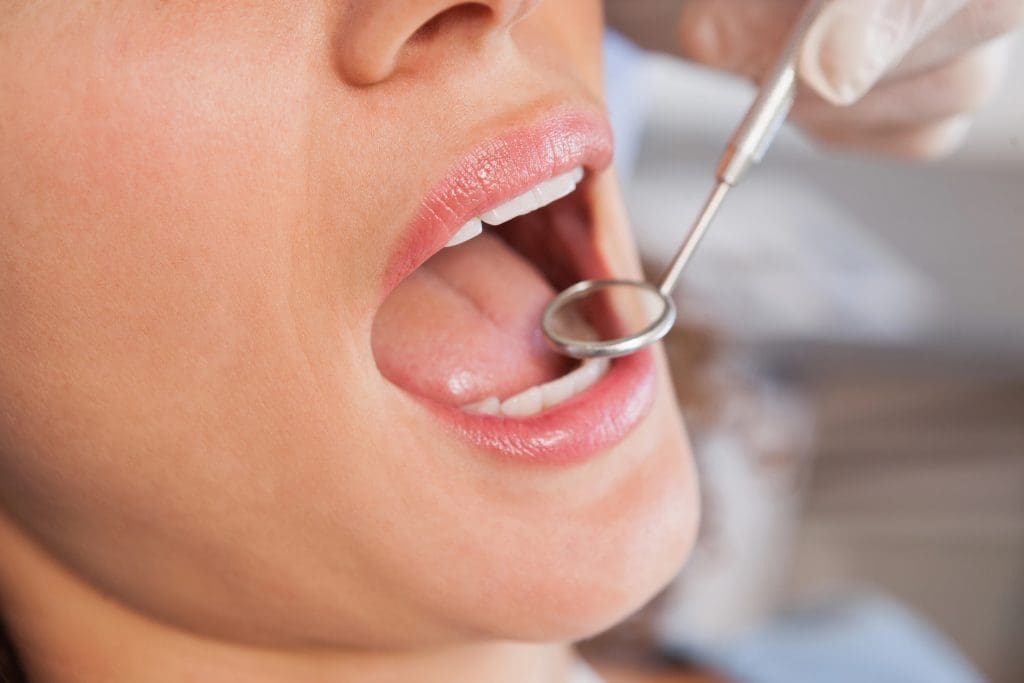

The Wisdom Tooth Removal Procedure
Wisdom tooth removal at DG Dental begins with comprehensive examination using advanced imaging technology to assess the position and condition of the wisdom teeth. Digital X-rays and 3D imaging reveal the relationship between the tooth root and important anatomical structures like nerves and sinuses, allowing for precise surgical planning that minimizes risks.
The surgical procedure typically involves local anesthesia to ensure patient comfort throughout the extraction process. For anxious patients or complex cases requiring the removal of multiple impacted wisdom teeth, sedation options provide additional comfort and relaxation. Dr. Green carefully accesses the wisdom teeth, removing any bone that blocks access and sectioning teeth when necessary to facilitate gentle extraction.
When removing impacted wisdom teeth, the gum tissue covering the tooth must be opened to expose the underlying tooth and bone. Dr. Green uses minimally invasive techniques to preserve surrounding tissue and promote optimal healing. After carefully extracting the wisdom teeth, the extraction site is thoroughly cleaned and may be sutured closed to encourage proper healing and blood clot formation.
Post-Operative Care and Recovery
Proper aftercare following wisdom tooth extraction is essential for preventing complications and ensuring comfortable recovery. The formation of a protective blood clot at the extraction site represents the first critical step in the healing process. Patients must avoid disturbing this blood clot through activities like vigorous rinsing, drinking through straws, or smoking, as dislodging it can lead to dry socket.
Dry socket, a painful condition where the blood clot fails to form or becomes dislodged, exposes the exposed bone and nerve endings at the extraction site. This complication causes significant discomfort and delays healing. Following post-operative instructions carefully, including gentle care of the surgical site and avoiding activities that create suction in the mouth, helps prevent this uncomfortable complication.
Managing swelling and discomfort after wisdom teeth extracted typically involves ice application during the first 48 hours and transitioning to warm compresses after that period. Prescribed medications help control pain and prevent infection during the initial healing phase. Most patients experience the most significant discomfort during the first two to three days, with gradual improvement throughout the following week.
Dietary Recommendations and Oral Hygiene
Soft foods form the foundation of post-extraction nutrition during the initial recovery period. Yogurt, smoothies, soup, mashed potatoes, and applesauce provide necessary nutrition without requiring significant chewing that could disturb healing tissues. Patients should avoid hard, crunchy, or sticky foods that could become lodged in the extraction site or damage the healing tissues.
Maintaining oral hygiene after wisdom tooth removal requires gentle techniques that protect the surgical site while keeping the mouth clean. Beginning 24 hours after the surgical procedure, gentle rinsing with warm salt water helps cleanse the area and promote healing. Regular brushing of other teeth should continue, though patients must exercise caution near the extraction site to avoid disturbing the healing tissues.
As healing progresses, patients gradually reintroduce normal foods and resume regular oral hygiene practices. Most individuals return to normal eating and oral care routines within one to two weeks after removing your wisdom teeth, though complete healing of the underlying bone and soft tissue continues for several months.
Preventing Complications and Long-Term Considerations
While wisdom tooth extraction is a common surgical procedure, awareness of potential complications helps patients recognize issues requiring prompt attention. Excessive bleeding beyond the first 24 hours, severe pain not controlled by prescribed medications, or signs of infection like fever or increasing swelling warrant immediate contact with your dental provider.
Some patients experience temporary numbness or altered sensation in the lips, tongue, or chin following wisdom teeth removal, particularly when extracting lower wisdom teeth positioned near nerves. While most sensation changes resolve within weeks to months, discussing these risks during consultation helps patients make informed decisions about their treatment.
Choosing to have wisdom teeth removed proactively, before complications develop, typically results in easier procedures and faster recovery. Waiting until wisdom teeth cause severe pain, infection, or damage to nearby teeth often necessitates more complex extractions with longer healing periods.
Book Your Wisdom Tooth Extraction Appointment Today at DG Dental
Don’t let problematic wisdom teeth compromise your oral health and comfort. At DG Dental, Dr. Green’s extensive training in oral surgery and commitment to patient comfort ensure positive wisdom tooth removal experiences. Our modern facility provides a welcoming environment where advanced technology meets compassionate care, helping patients feel confident and comfortable throughout their treatment.
Whether you’re experiencing symptoms that suggest wisdom teeth problems or seeking a proactive evaluation to prevent future issues, we’re here to provide the expert care you deserve. Our comprehensive approach addresses both immediate concerns and long-term oral health, ensuring optimal outcomes for every patient. Contact us at 954-524-2300 or complete our contact form to schedule your wisdom tooth evaluation and discover how we can help you maintain your healthiest smile. Read our patient reviews on Google Maps to see why we are trusted by so many.