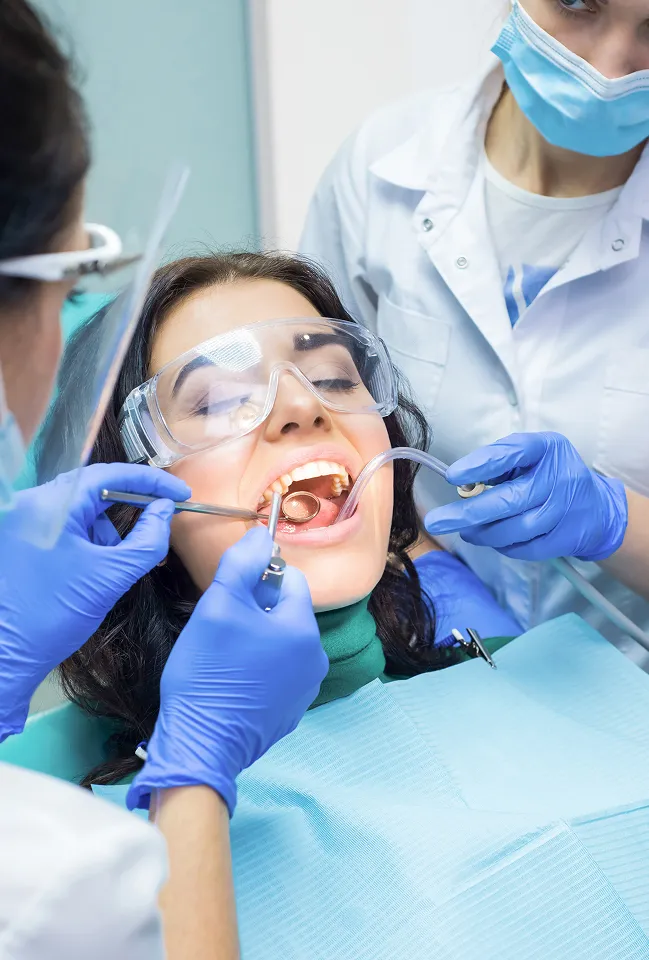


Signs You Need Root Canal Treatment
If you’re experiencing persistent tooth pain, sensitivity to hot or cold that lingers, or swelling and tenderness in the gums near a tooth, it might be time to seek treatment for a possible root canal infection. These symptoms can indicate that the pulp inside your tooth, which contains nerves and blood vessels, has become infected or inflamed due to deep decay or trauma. DG Dental specializes in endodontic treatment, which is essential in preserving an infected tooth that might otherwise need to be extracted through oral surgery.
Another sign that you may need a root canal is if you notice tooth discoloration or darkening of a tooth, accompanied by tenderness when you chew or touch the damaged tooth. This could suggest underlying damage to the dental pulp and connective tissue, often caused by severe decay, repeated dental procedures, or an impact injury. Severe pain that wakes you at night or pain when biting down may indicate infected pulp that requires immediate attention. At DG Dental, the focus is on providing comprehensive dental care, including advanced root canal treatment designed to save your natural teeth and restore your oral health efficiently.
Many patients delay seeking treatment because they fear root canal painful experiences, but modern techniques have made the root canal procedure remarkably comfortable. In fact, most patients report that the pain they experienced before treatment was far worse than any discomfort during the actual procedure. If you’re experiencing tooth pain or suspect you need a root canal, prompt treatment prevents the infection from spreading to neighboring teeth and surrounding tissues, ultimately protecting your overall oral health and potentially reducing root canal cost by addressing problems before they become more complex.
Understanding Root Canal Infection and Treatment Necessity
Root canal infection develops when bacteria enter the pulp chamber through a deep cavity, crack, or chip in the tooth. The infected tissue inside the tooth causes inflammation and pain as the body attempts to fight the infection. Without treatment, the infection can spread beyond the tooth root into the surrounding bone and soft tissue, potentially leading to an abscess and more serious complications that may affect other tooth structures.
The dental pulp serves important functions during tooth development, but mature teeth can survive without it because they continue to be nourished by the tissues surrounding them. This is why removing infected pulp through root canal therapy effectively saves the tooth while eliminating the source of pain and infection. Most patients who undergo endodontic treatment experience immediate relief from the severe pain caused by pulp tissue inflammation.
Many people wonder how much does a root canal cost compared to extraction and replacement options. While root canal cost varies depending on which tooth requires treatment and the complexity of the case, most dental insurance plans cover a significant portion of the procedure. Furthermore, saving natural teeth through root canal treatment typically proves more cost-effective than extraction followed by dental implant placement or other tooth replacement options. Dr. Green works with patients to understand their dental insurance coverage and develop treatment plans that preserve oral health while managing costs effectively.
The Anatomy of Root Canal Problems
Understanding tooth anatomy helps explain why root canal therapy becomes necessary. Each tooth contains one or more root canals – small passageways that extend from the pulp chamber down through the root to the tip. These canals contain blood vessels and nerves that were essential during tooth development. When deep decay, trauma, or repeated dental procedures compromise the tooth’s protective outer layers, bacteria can reach this pulp tissue, causing infection.
A severely decayed tooth may have extensive damage that reaches the pulp chamber, while a cracked tooth might allow bacteria to penetrate directly into the root canal system. Even a tooth that appears intact on the surface may harbor infected pulp if previous trauma damaged the blood vessels and nerves inside. The body’s immune response to this infection causes the characteristic symptoms – tooth pain, sensitivity, swelling, and sometimes tooth discoloration as the damaged pulp affects the tooth’s appearance.
Root canal therapy addresses these problems by thoroughly cleaning the entire root canal system, removing all infected tissue and bacteria, then sealing the space to prevent reinfection. This comprehensive approach to treating an infected tooth preserves the tooth structure while eliminating the source of pain and preventing the infection from affecting neighboring teeth or spreading to other areas of the mouth.
Modern Root Canal Technology at DG Dental
Advanced technology has transformed root canal treatment from a procedure many patients feared into a precise, comfortable experience. At DG Dental in Fort Lauderdale, Dr. Green utilizes state-of-the-art equipment that allows for more accurate diagnosis and treatment of root canal infection. Digital imaging provides detailed views of tooth structure, root canal anatomy, and the extent of infection, enabling more predictable outcomes.
Rotary endodontic instruments clean and shape root canals more efficiently and comfortably than traditional hand files. These specialized tools follow the natural curvature of root canals, thoroughly removing infected pulp while preserving healthy tooth structure. This technology significantly reduces the time required for the root canal procedure while improving the quality of cleaning and shaping, which directly impacts treatment success rates.
Electronic apex locators precisely determine the length of each root canal, ensuring that the entire canal system is treated without extending beyond the tooth root into surrounding tissues. This precision contributes to the high success rates of modern root canal therapy and helps minimize any post-treatment discomfort. Combined with advanced anesthetic techniques, these technologies ensure that getting a root canal is a far more positive experience than most patients anticipate.
Benefits of Choosing Root Canal Therapy
Root canal therapy offers numerous advantages over tooth extraction, making it the preferred treatment for saving a damaged tooth. Preserving natural teeth maintains proper chewing function, prevents neighboring teeth from shifting out of position, and protects the jawbone from the deterioration that typically follows tooth loss. The treated tooth, when properly restored with a crown or filling, can last a lifetime with appropriate care.
From a functional perspective, natural teeth provide better chewing efficiency than any artificial replacement. Root canal treatment allows patients to maintain their natural bite and avoid the adjustments required with dentures or other tooth replacement options. The procedure also stops the spread of infection, protecting oral health and preventing more serious complications that can arise from untreated infected pulp.
Many patients find that understanding the root canal process and benefits helps them feel more comfortable with treatment. The procedure typically requires fewer appointments than extraction followed by tooth replacement, and most dental insurance plans provide better coverage for root canal therapy than for extraction and replacement options. Dr. Green takes time to explain treatment options, address concerns about root canal cost, and ensure patients feel confident in their decision to preserve natural teeth through endodontic treatment.
Root Canal Cost and Insurance Coverage
Understanding how much a root canal costs helps patients make informed decisions about their dental care. Root canal cost in Fort Lauderdale varies based on which tooth requires treatment, with front teeth (incisors and canines) typically less expensive than molars, which have more complex root canal systems. The extent of infection, difficulty of access, and whether the tooth has had repeated dental procedures also influence the final cost.
Most dental insurance plans recognize root canal therapy as a necessary procedure rather than elective treatment, providing coverage that typically ranges from 50% to 80% of the total cost. This coverage often exceeds what insurance provides for tooth extraction and replacement options, making root canal treatment not only clinically preferable but often more economical. DG Dental’s team works with patients to maximize their dental insurance benefits and understand their out-of-pocket expenses before beginning treatment.
For patients without dental insurance or those whose plans provide limited coverage, DG Dental offers flexible payment options that make essential endodontic treatment accessible. When comparing costs, it’s important to consider the long-term value of preserving natural teeth versus the ongoing expenses associated with tooth replacement. A tooth saved through root canal therapy, when properly maintained, typically provides decades of service, making it a sound investment in oral health.
Aftercare for Successful Root Canal Recovery
Following a root canal procedure, proper aftercare ensures optimal healing and long-term success. Most patients experience minimal discomfort after treatment, with any sensitivity or mild pain typically resolving within a few days. Over-the-counter pain relievers effectively manage any post-treatment discomfort, and Dr. Green provides specific recommendations based on each patient’s situation and whether they experienced severe pain before treatment.
Patients should avoid chewing on the treated tooth until the permanent restoration is placed, as the tooth may be more fragile without its final crown or filling. Maintaining excellent oral hygiene through gentle brushing and flossing helps prevent new infections and supports healing of the surrounding soft tissue and gums. Regular dental cleaning and exams allow Dr. Green to monitor the treated tooth and ensure continued oral health.
The success rate for root canal therapy exceeds 95% when patients follow post-treatment guidelines and maintain good oral hygiene. Most patients return to normal activities immediately after the procedure, experiencing relief from the tooth pain that brought them in for treatment. If any unusual symptoms develop, such as increasing pain, swelling, or an allergic reaction to medication, patients should contact DG Dental promptly for evaluation.
Preventing the Need for Future Root Canals
While root canal treatment effectively saves an infected tooth, prevention remains the best approach to oral health. Regular dental examinations allow early detection of deep decay, cracks, or other issues before they reach the pulp chamber and require endodontic treatment. Professional cleanings remove plaque and tartar that contribute to tooth decay, while dental sealants can protect vulnerable tooth surfaces from cavity formation.
Wearing a custom mouthguard during sports activities protects teeth from trauma that can damage the dental pulp. Addressing teeth grinding through appropriate intervention prevents excessive wear and crack development that can lead to pulp exposure. Seeking prompt treatment for cavities before they develop into deep decay significantly reduces the likelihood of needing root canal therapy.
Patients who maintain good oral hygiene at home and keep regular appointments with Dr. Green typically avoid many of the conditions that lead to root canal infection. However, when endodontic treatment becomes necessary, modern techniques ensure that the root canal procedure preserves natural teeth comfortably and effectively, protecting oral health and maintaining a confident smile.
When Root Canal Retreatment May Be Necessary
While initial root canal therapy succeeds in the vast majority of cases, occasionally a tooth that has undergone treatment may develop new problems. Root canal retreatment may be necessary if the tooth develops a new infection, often due to new decay that allows bacteria to re-enter the root canal system, or if the original treatment did not completely eliminate infection from complex canal anatomy. Advances in technology since the original procedure may also make retreatment successful when previous treatment faced limitations.
Dr. Green carefully evaluates teeth showing signs of persistent or recurring infection to determine whether retreatment can save the tooth or if alternative options should be considered. Modern diagnostic tools provide detailed information about root canal anatomy and the source of continuing problems, allowing for more targeted treatment approaches. Many teeth successfully respond to retreatment, providing additional years of function without requiring extraction and replacement.
Factors that may necessitate retreatment include narrow or curved canals that were difficult to treat initially, complicated canal anatomy that was missed during the original procedure, or a delay in placing the final restoration that allowed bacteria to re-enter the tooth. When retreatment is recommended, Dr. Green explains the procedure, expected outcomes, and alternatives so patients can make informed decisions about their dental care and understand how this compares to other dental procedures for saving natural teeth.
Root Canal Therapy Versus Extraction: Making the Right Choice
When faced with a severely decayed or infected tooth, patients often ask whether root canal treatment or extraction represents the better option. In most cases, saving natural teeth through endodontic treatment provides superior outcomes compared to extraction and replacement. Natural teeth preserve jawbone density, maintain proper spacing of neighboring teeth, and provide better chewing function than artificial replacements.
Extraction may seem less expensive initially, but the long-term costs of tooth replacement through dental implants, bridges, or other tooth replacement options typically exceed root canal cost. Additionally, some patients are not good candidates for certain replacement options due to bone loss, medical conditions, or other factors, making preservation of natural teeth through root canal therapy even more valuable.
Dr. Green discusses all treatment options with patients, explaining the benefits and limitations of each approach based on the specific condition of the damaged tooth and the patient’s overall oral health goals. When a tooth can be saved through root canal treatment, this typically represents the most conservative and effective option for maintaining oral health, protecting neighboring teeth, and avoiding the complications that can follow tooth loss.
Book Your Fort Lauderdale Root Canal Therapy Appointment Today!
Don’t let tooth pain hold you back! DG Dental specializes in Root Canal Therapy to relieve pain and save your teeth. Call us now at 954-524-2300 or visit our contact page to schedule your appointment. Read what our satisfied patients have to say on Google Maps.