Medically Reviewed by Dr. Dory Green, DMD, FAGD on September 9, 2026

When the margin of gum tissue around your teeth begins to pull back or wear away, it exposes more of your tooth and its root. This is known as gum recession, and it leads to gaps forming between your teeth and the gumline.
Believe it or not, this is a common dental problem that many people do not realize they have, because gum recession occurs gradually. One of the first signs of this condition is sensitivity. You may notice that a tooth looks a little longer than normal, or that the exposed root area looks yellow and will not respond to whitening. If you think you may be experiencing gum recession, it is not something to ignore. As soon as you notice any sensitivity or change in your gumline, make an appointment with DG Dental so we can evaluate it before it progresses further.
What Leads to Receding Gums?
There are a number of reasons your gums may begin to recede, including:
- Periodontal disease
- Genetics
- Aggressive tooth brushing
- Inadequate dental care
- Hormonal changes
- Tobacco products
- Clenching or grinding your teeth
- A misaligned bite
- Crooked teeth
- Lip or tongue piercings
Let DG Dental help restore your gumline to its natural, healthy contour. Contact us to get started with an evaluation.
Why Gum Recession Should Not Be Ignored
Gum recession exposes more of your tooth as the surrounding gum tissue wears away. As this occurs, gaps tend to form between the teeth and gumline, making it easier for disease-causing bacteria to damage more gum tissue, your teeth, and even the supporting bone underneath. Eventually, affected teeth can loosen or be lost if the recession is left unaddressed.
Since receding gums occur gradually, many people do not realize there is a problem until they notice increased sensitivity or a tooth that looks longer than the others. Gum recession tends to worsen over time and should not be ignored. If you think your gums are receding, call our Fort Lauderdale / East Broward office to schedule an appointment. If warranted, we can use one of the latest, least invasive techniques available, the Chao Pinhole® Surgical Rejuvenation Technique, to help rejuvenate your gums, prevent further damage, and enhance your smile.
Stages of Gum Recession
Periodontists generally describe gum recession along a spectrum, from mild recession limited to a small band of visible root, to more advanced recession where a significant portion of the root is exposed and bone loss has occurred underneath. Catching recession early, while it is still mild, typically means more treatment options and a simpler, less invasive procedure. Waiting until recession is advanced can narrow your options and increase the amount of tissue that needs to be addressed.
Chao Pinhole® Surgical Rejuvenation Technique Explained
Previously, soft tissue grafting was the only treatment option for patients with gum recession. Thankfully, that is no longer the only case, thanks to an innovative technique that allows your cosmetic dentist to restore gum health with:
- Less bleeding
- Minimal discomfort
- Reduced post-operative pain
This technique allows DG Dental to avoid making a large incision and grafting tissue into place. Instead, we move your own healthy gum tissue to the area that needs treatment through a small pinhole opening. Compared with traditional periodontal surgery, this technique significantly reduces the risk of complications, and our practice has consistently achieved strong results for patients using this method. Our soft tissue aesthetics services page has more detail on the full range of gum-contouring and rejuvenation procedures we offer.
Comparing the Pinhole Technique to Traditional Gum Grafting
Traditional soft tissue grafting typically involves taking a small piece of tissue, often from the roof of the mouth, and suturing it over the area of recession. It is an effective, well-established procedure, but it also means two surgical sites to manage during healing and a recovery period that most patients describe as more uncomfortable.
The Pinhole Technique addresses the same underlying problem, exposed roots and thinning gum tissue, without an incision or a second surgical site. Published outcomes on the technique report a mean surgery time of just over twenty minutes per treated site and high patient satisfaction, with most people returning to normal activities the same day. For patients who are candidates for either approach, this difference in invasiveness is often the deciding factor. If you are also dealing with a gummy smile alongside recession, our guide to gum contouring for a balanced smile covers how the two concerns are sometimes addressed together.
Minimize Risks with an Innovative Technique
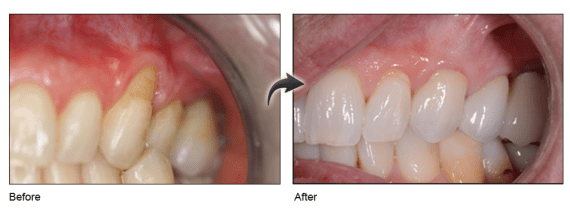
With the Chao Pinhole® Surgical Technique, your cosmetic dentist creates a small opening in the gum tissue above the tooth experiencing recession. Through this tiny opening, we cover the sensitive root of the tooth by gently repositioning the surrounding soft tissue into proper place. This method eliminates the risks associated with sutures and traditional incisions. In addition, the procedure typically does not require anesthesia or sedation, so you avoid those risks as well. You can learn more about the Pinhole Surgical Technique from its developer’s website.
What Long-Term Research Shows About the Pinhole Technique
Because the Pinhole Technique has now been in clinical use for well over a decade, researchers have been able to study how well its results hold up over time. Published long-term follow-up research on the original patient group treated with the technique found that a large majority maintained complete root coverage more than fourteen years after their original procedure, with average root coverage remaining high across the group. This kind of long-term data is relatively rare for a root-coverage procedure and is one of the reasons we recommend the technique to appropriate candidates rather than defaulting to grafting in every case.
Recovery with Chao Pinhole® Surgical Technique
Patients consistently report minimal discomfort or pain after this procedure, unlike the traditional soft tissue grafting method. With the traditional graft approach, most people can return to routine activities within a day or two. With this newer technique, many patients return to their normal activities immediately after leaving our office.
Because recovery time is shortened, the chances of complications following the procedure are also significantly reduced. Side effects following the Chao Pinhole® Surgical Technique are rare, especially when performed by a cosmetic dentist trained in the technique, such as the team at DG Dental.
Preventing Gum Recession From Progressing
Brushing and flossing to keep teeth free of plaque is essential to preventing the onset of gum disease and the recession that often follows it. It is also important to visit the dentist regularly for professional cleanings and examinations. If you already have some gum recession, you may need to visit more often than twice a year so we can monitor it closely. Correcting a contributing habit, such as brushing too hard, teeth grinding, or a misaligned bite, is often just as important as any procedure. DG Dental can offer specific guidance on preventing further recession beyond general habits like smoking cessation and a balanced diet, so you can protect your smile for the long term.
Schedule a Complimentary Consultation
Consider the benefits of choosing a less invasive treatment that minimizes surgical risk if you are dealing with gum recession. Contact DG Dental today to learn more about the advantages of the Chao Pinhole® Surgical Technique and schedule your complimentary consultation. If gum tissue is only one part of your smile concern, our overview of what to expect during and after gum contouring can help you understand your full range of soft tissue treatment options.
Frequently Asked Questions About Gum Recession
Can receding gums grow back on their own?
No. Gum tissue does not regenerate on its own once it has receded. Improving your oral hygiene and addressing contributing habits can stop recession from getting worse, but restoring lost tissue or covering an exposed root requires a dental procedure such as the Chao Pinhole Technique or a traditional graft.
Is the Chao Pinhole Technique painful?
Most patients report only mild discomfort, and many describe it as considerably more comfortable than traditional gum grafting. The technique avoids incisions and sutures, which is a major reason patients experience less post-operative pain and a faster return to normal activities.
How many teeth can be treated in one Pinhole procedure?
Unlike traditional grafting, which is often done a few teeth at a time, the Pinhole Technique can frequently treat multiple areas of recession, sometimes an entire arch, in a single appointment. The exact number depends on the extent of your recession and your overall gum health.
Will insurance cover treatment for gum recession?
Coverage varies by plan and by the severity of the recession, since some insurers classify treatment as cosmetic while others recognize it as medically necessary once bone or root exposure is involved. Our team can help verify your benefits and discuss financing options before you commit to a treatment plan.
How do I know if my gum recession is serious?
Signs worth having evaluated promptly include increasing tooth sensitivity, a tooth that looks noticeably longer than its neighbors, visible root surface, or any looseness in a tooth. A dental exam, often with x-rays, can measure how much gum and bone support remains and guide the right next step.
How long do Pinhole Technique results typically last?
Published long-term research following the original group of patients treated with the technique found that most maintained substantial root coverage more than fourteen years after a single procedure. Results can vary based on ongoing oral hygiene and whether contributing habits, such as aggressive brushing, are also corrected.
About the Author
Founder, DG Dental
Dr. Dory Green is the founder of DG Dental in Fort Lauderdale. She earned her dental degree from Temple University School of Dentistry and holds a Fellowship with the Academy of General Dentistry, and is trained in the Chao Pinhole Surgical Technique for treating gum recession.