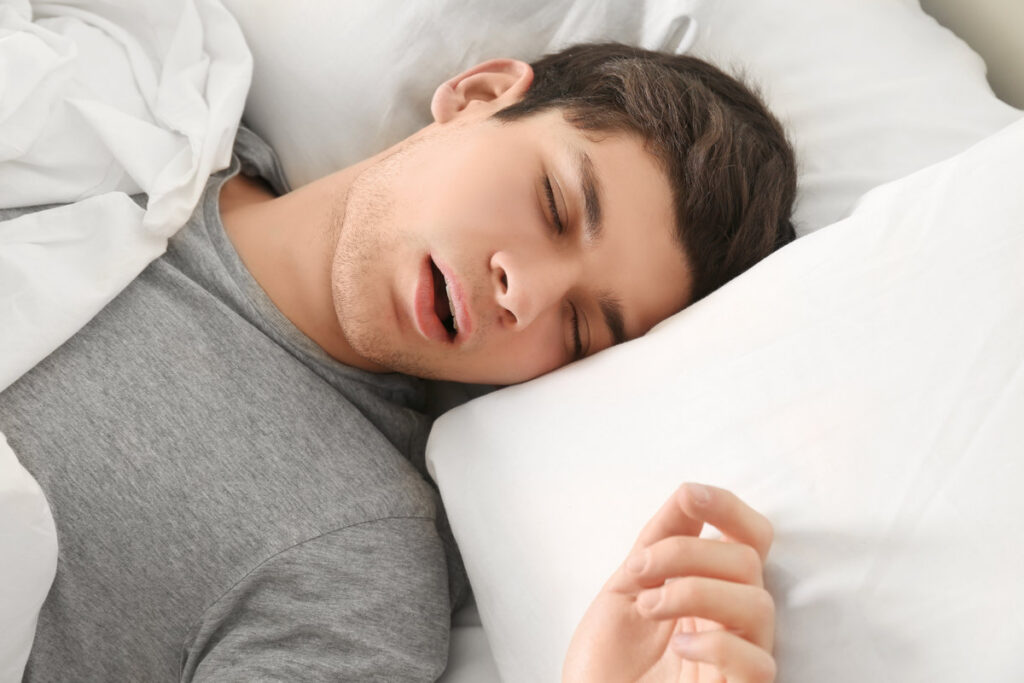
Tens of millions of Americans stop breathing during the night, sometimes hundreds of times, and most of them have no idea it’s happening. Sleep apnea is one of the most prevalent chronic health conditions in the United States. Yet, it remains alarmingly underdiagnosed, quietly contributing to some of the most serious medical conditions we know. The numbers tell a story that is hard to ignore.
At DG Dental in Fort Lauderdale, Dr. Dory Green has made airway health a central focus of her practice. She recently acquired a pharyngometer and rhinometer, a diagnostic combination used for advanced airway evaluation and highly individualized fitting of sleep appliances. With credentials across major medical insurance providers and a commitment to whole-body wellness, DG Dental is uniquely positioned to help patients who may have been living with unaddressed airway concerns for years.
 How Many Americans Are Affected?
 How Many Americans Are Affected?
The scale of obstructive sleep apnea (OSA) in the United States is staggering. A 2024 systematic review published in Respiratory Medicine estimated that more than 83 million U.S. adults aged 20 and older have OSA, representing roughly 32.4% of the adult population. That is more than 1 in 3 adults. Men are affected at higher rates, with an estimated prevalence of 39.1%, compared to 26% among women.
Despite those numbers, the gap between how many people have sleep apnea and how many are actually diagnosed is enormous. According to estimates widely cited by sleep medicine organizations, as many as 80 to 90% of cases go undiagnosed. In practical terms, millions of people are waking up tired, struggling with concentration, and experiencing mood changes without ever connecting those symptoms to their airways.
The Sleep Apnea and Cardiovascular Connection
Sleep apnea is more than a sleep problem. It carries serious implications for heart health, and the data from major institutions is clear on this point. Research published in PMC and cited by the National Institutes of Health found that OSA raises the risk of heart failure by 140%, the risk of stroke by 60%, and the risk of coronary heart disease by 30%. The National Commission on Sleep Disorders Research has estimated that sleep apnea may account for 38,000 cardiovascular deaths annually in the United States.
The American Heart Association has confirmed that OSA is linked to higher rates of elevated blood pressure, stroke, and coronary artery disease, and there is evidence that it can contribute to left ventricular diastolic dysfunction, which raises the risk of heart failure. Perhaps most telling: OSA prevalence among patients already diagnosed with hypertension, heart failure, or coronary artery disease ranges from 40% to 80%, according to a scientific statement from the American Heart Association. In many of those cases, the sleep disorder is still going untreated.
Who Is Most at Risk?
Understanding the demographics of sleep apnea can help people recognize whether they should be screened.
- Men over 40: This group faces the greatest statistical risk, with some estimates placing OSA prevalence at 38% among men aged 30 to 70.
- Women: Often underdiagnosed because their symptoms differ, women may report fatigue or insomnia rather than snoring or gasping, leading to missed diagnoses.
- Adults with obesity: Obesity is one of the most significant risk factors for OSA, and the relationship between the 2 conditions is well established in the research literature.
- Patients with cardiovascular disease: Given the high overlap noted by the American Heart Association, anyone with an existing heart condition should discuss sleep apnea screening with their provider.
Recognizing the connection between airway function and systemic health is not a niche concern; it is a public health priority. If you have ever wondered whether your symptoms warrant evaluation, you can learn more in our blog about when to see an airway dentist.
The Case for Oral Appliance Therapy
For patients who have been diagnosed with mild to moderate OSA or who are unable to tolerate CPAP therapy, oral appliances are a clinically supported alternative. The American Academy of Sleep Medicine and the American Academy of Dental Sleep Medicine issued a joint clinical practice guideline recommending oral appliance therapy for adults with OSA who prefer an alternative to CPAP or cannot tolerate it. Research suggests that patients often show higher nightly adherence rates with oral appliances compared to CPAP, which matters because consistent use is what produces health outcomes.
Custom oral appliances work by advancing the mandible to open the upper airway during sleep, reducing the frequency and severity of obstructive events. The individualized fit of each device is essential to its effectiveness, which is precisely why diagnostic technology such as the pharyngometer and rhinometer used at DG Dental plays such an important role. These tools allow for objective airway measurement before treatment, creating a more precise and personalized approach.
Schedule Your Airway Evaluation at DG Dental
The numbers surrounding sleep apnea are significant, but they become personal the moment you recognize that you or someone you love may be among the undiagnosed majority. At DG Dental, Dr. Green brings over a decade of experience and a deep devotion to the oral-systemic health connection to every patient relationship. Our practice is credentialed with most major medical insurance providers, and we work to make accessing care as straightforward as possible.
If you have been experiencing daytime fatigue, frequent headaches, or you have been told you snore, it may be time to explore whether your airway is playing a role. When you’re ready to move forward, contact us through our web portal to schedule your evaluation.